Tag: art instruction

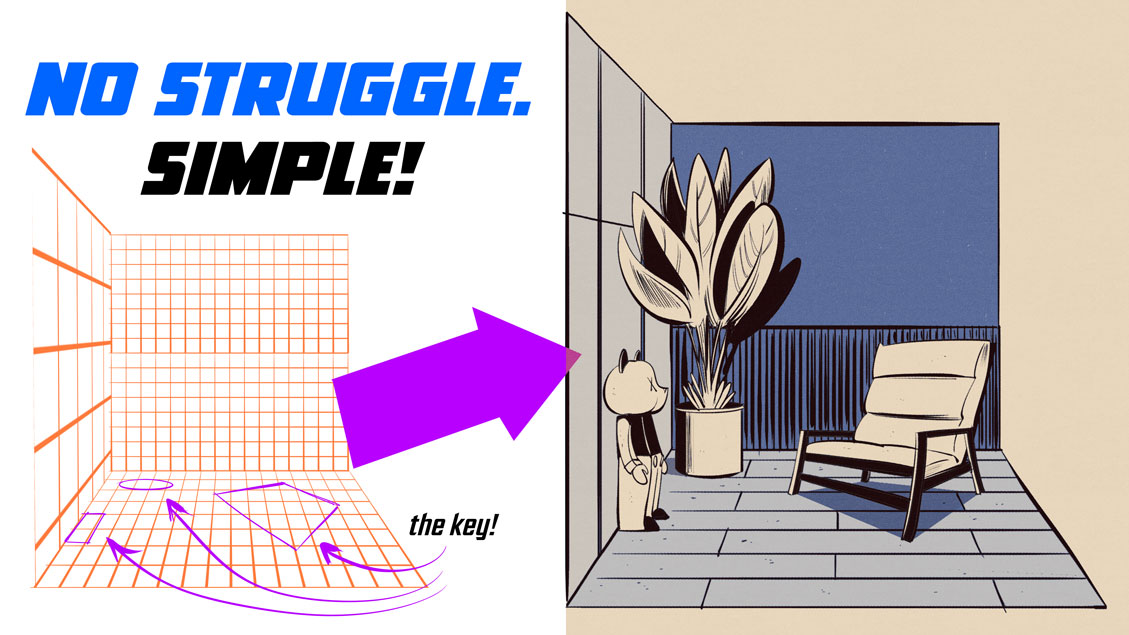
  • Video: Drawing Objects in an Interior Space

    Video: Drawing Objects in an Interior Space

    Drawing interior spaces can be a struggle without utilizing grids. In my latest video, I share techniques for placing objects within an interior environment, using a reference photo to inform my study.

    -Krishna

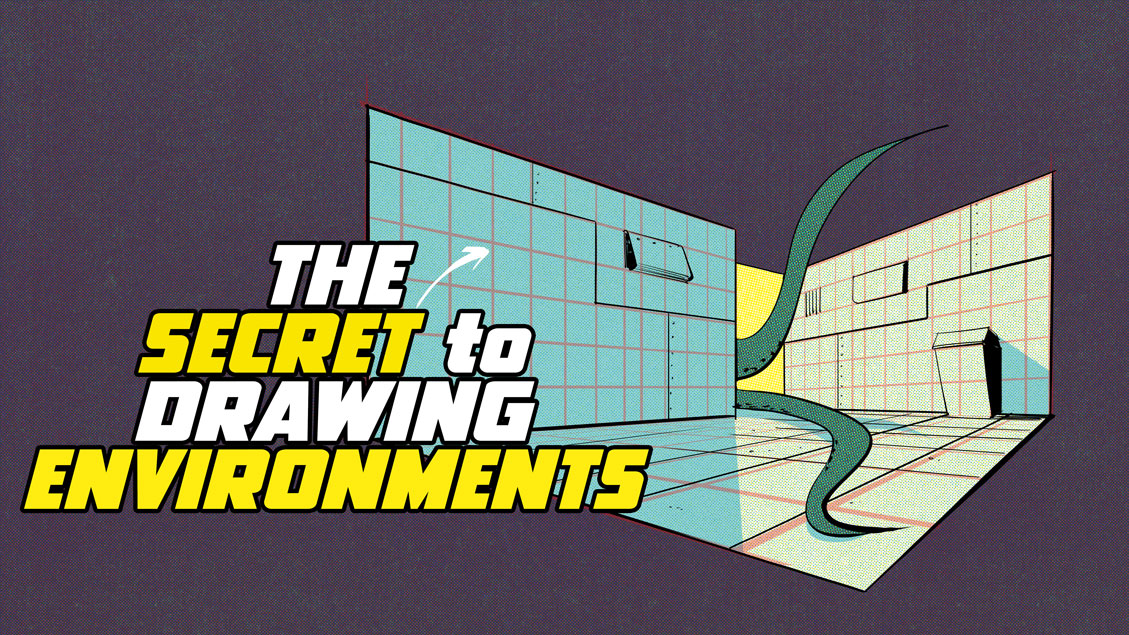
  • Video: The Secret to Drawing Environments Part 1

    Video: The Secret to Drawing Environments Part 1

    Perspective drawing can be difficult, but if you have digital tools, you have easier options. My latest instructional video focuses on the power of grids, and how they can be used to create interior or exterior structures. I look at techniques to make grids quickly and also how to use Photoshop’s Vanishing Point tool.

    -Krishna

  • Create Vector 3D Structures for Use with Raster Art

    Create Vector 3D Structures for Use with Raster Art

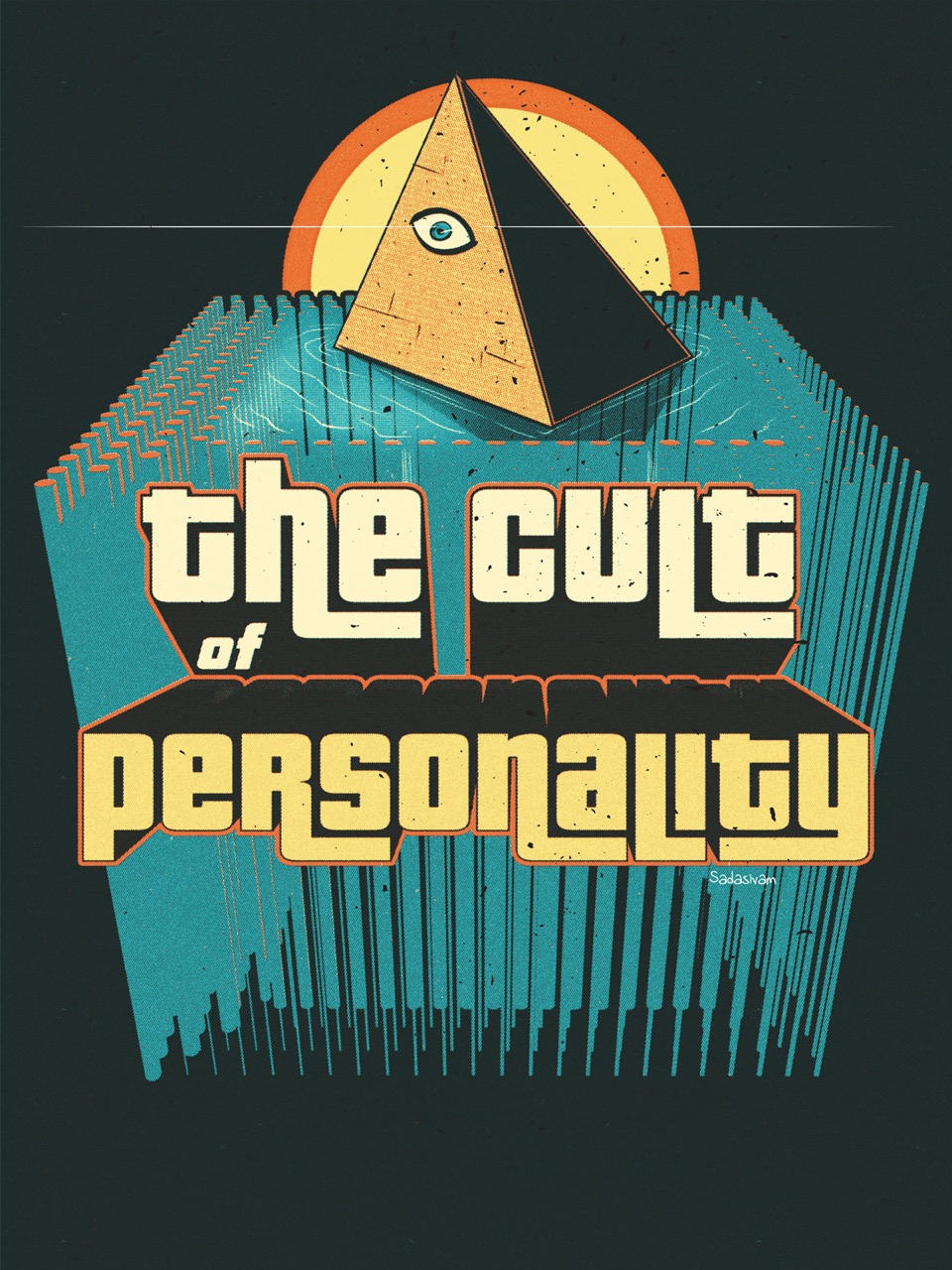
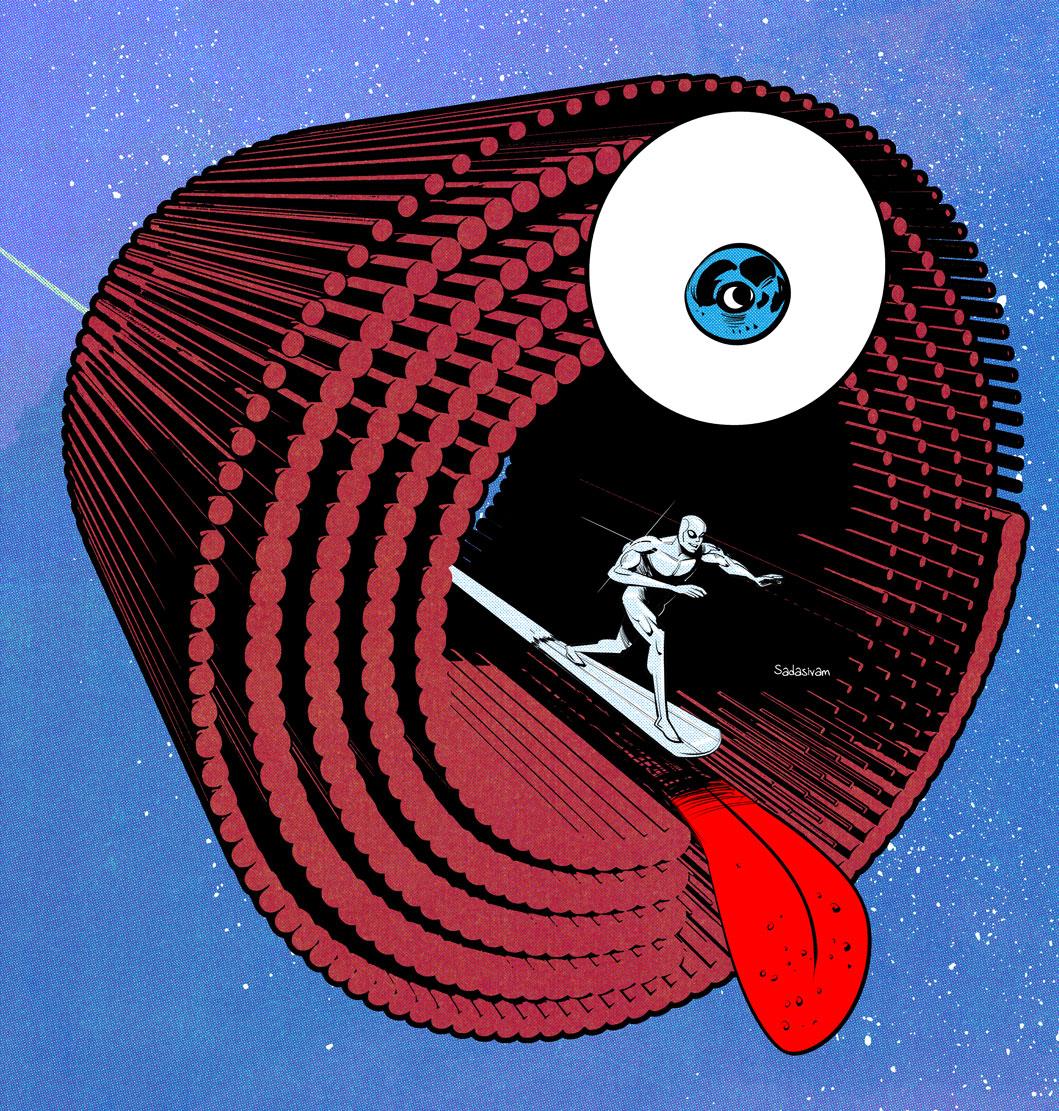
    My latest instructional video takes repeating vector elements to form 3D structural geometry that can be incorporated within raster art. The featured image for this post, along with the Silver Surfer image below, utilize the techniques I’ve shared within the video. Integrating vectors into my work has been exhilarating and I’m beginning to see new possibilities and directions for my work.

    Silver Surfer rides through a monster made up of cylindrical structures.

    -Krishna

  • How to Draw Cartoony Heads

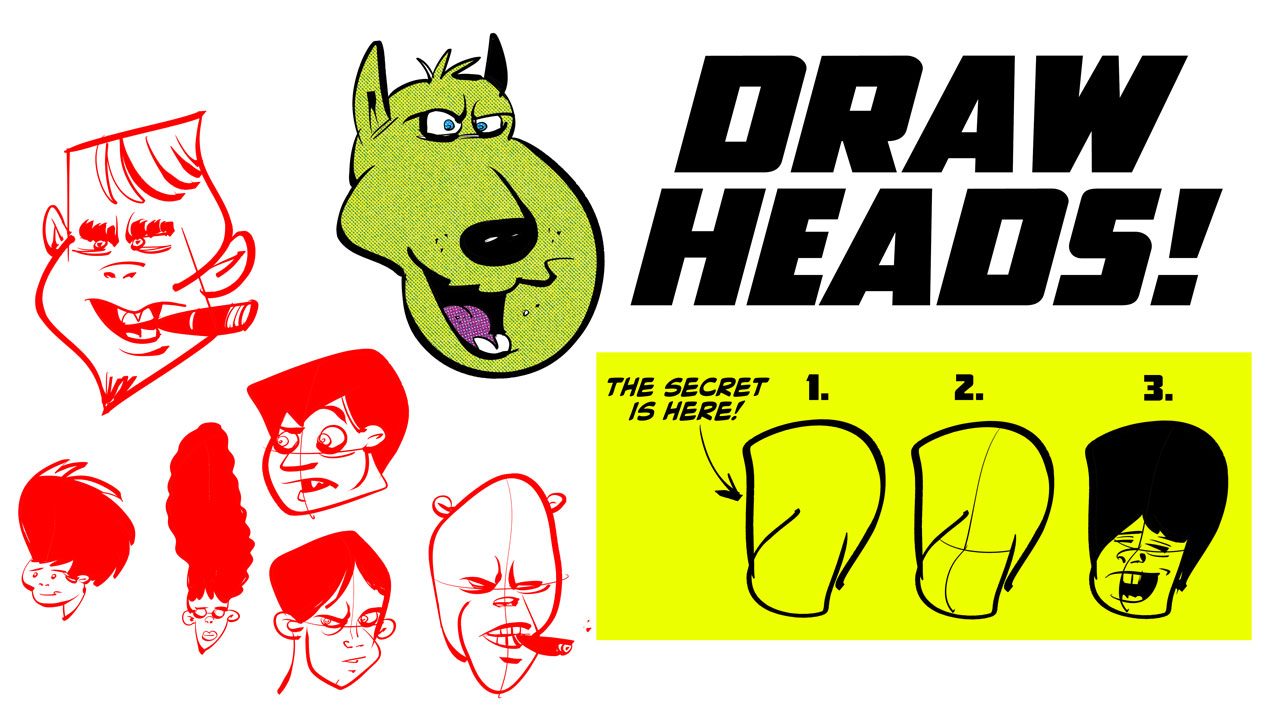
    How to Draw Cartoony Heads

    Having read and studied a wide range of cartooning approaches over the decades, I wanted to share my approach for drawing stylized cartoon heads. I start off with a rounded asymmetrical line, which I then duplicate, rotate and transform.

    By using the repetition of one curved line, I’m able to create characters that appear to be highly unique from both a design and silhouette standpoint.

    -Krishna

  • How to Approach Drawing Organic Forms

    How to Approach Drawing Organic Forms

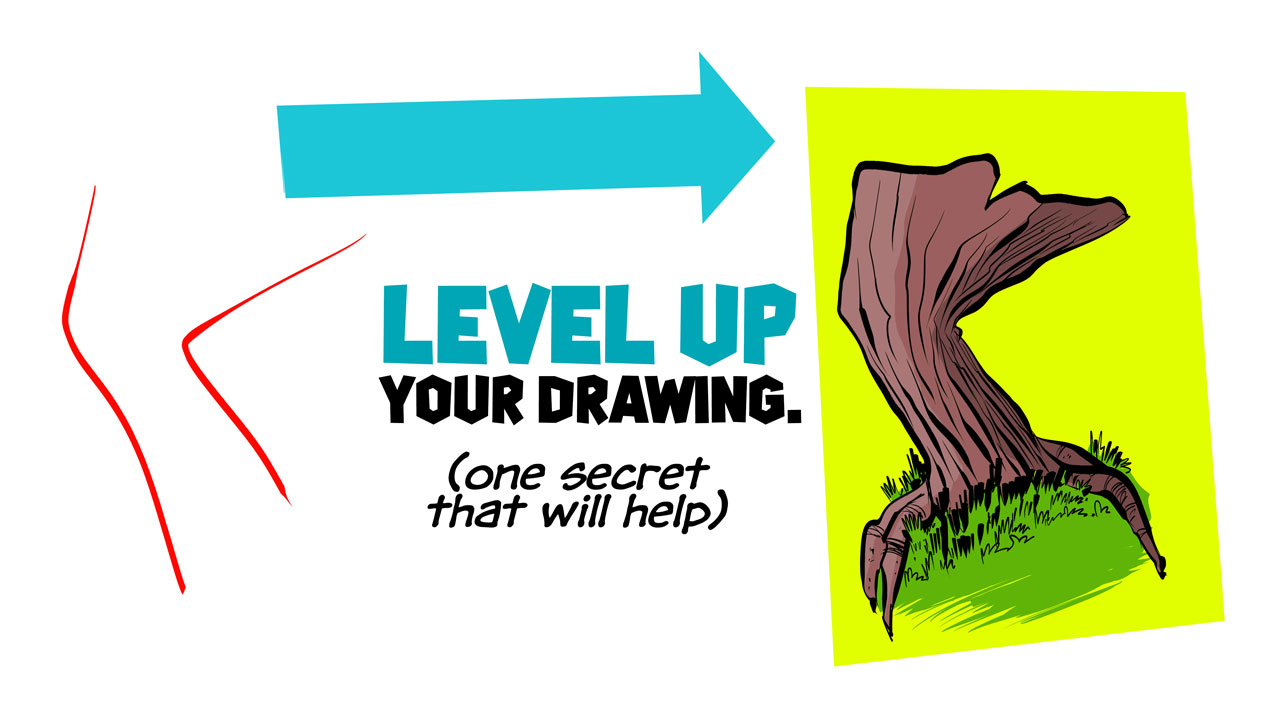
    This week on my YouTube channel, I share a technique to help drawing practitioners improve their understanding of form, specifically focusing on organic, asymmetrical structures (i.e. trees, teeth, etc.).

    This technique is universally applicable, whether your medium of choice is a tablet or a sheet of paper. I hope you find value in it.

    -Krishna